May 19, 2026
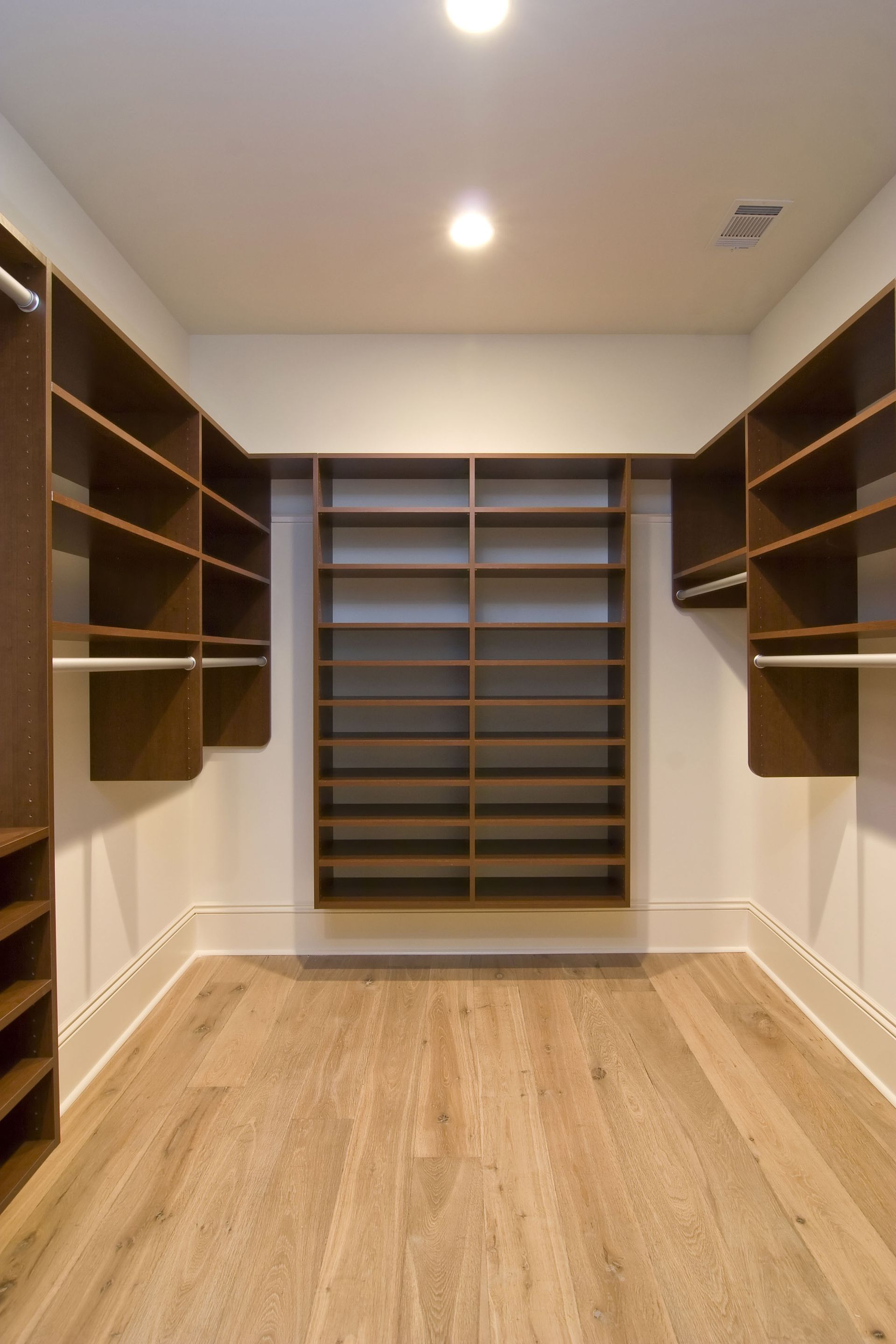
The need for organized storage solutions has become increasingly important as homes continue to evolve in both design and function. Walk-in closets not only provide functionality but also offer a personal touch to one's home. A custom closet company specializes in transforming these spaces into efficient and personalized environments that support everyday living.
A custom closet company focuses on turning cluttered areas into organized, practical, and visually cohesive storage systems. This article explores the process of designing walk-in closets and the role of custom storage design in improving home organization. Working with a custom closet company allows homeowners to better align storage solutions with their specific routines and space requirements.
According to Global Market Statistics, the custom closets market was valued at $31,430.19 million in 2025 and is projected to reach $67,944.75 million by 2035.
The Understanding of Client Needs in Closet Design
Conduct an Initial Consultation and Assessment
The process begins with an initial consultation between the client and the design team. This step is essential for gathering information about the client’s vision, lifestyle, and storage needs. Designers aim to understand how the space will be used on a daily basis, along with any specific requirements that may influence the layout. A detailed assessment helps identify spatial constraints and design opportunities early in the process. This foundation ensures the final design is aligned with both functional needs and personal preferences. Working with a custom closet company at this stage helps establish a clearer direction for the entire project.
Determine Storage Requirements
Identifying storage requirements is a key part of developing an effective closet design. This includes evaluating the types and quantities of items to be stored, as well as how frequently they are used. Designers use this information to determine the most efficient combination of hanging space, shelving, and drawers. A custom closet company relies on this analysis to create highly functional storage layouts tailored to each client.
Flexibility is also considered during this stage. Storage systems are often designed to accommodate changing needs over time, such as seasonal clothing or expanding collections. A custom closet company prioritizes adaptable layouts that can evolve as household needs shift. The goal is to create systems that remain functional over time without requiring major redesigns.
Explore Design Preferences and Style Considerations
Design preferences play an important role in shaping the final look of a walk-in closet. Clients may prefer modern, traditional, or transitional styles, and these preferences guide material and layout choices. Designers use samples and visual references to help refine the desired aesthetic direction. A custom closet company ensures these choices are reflected consistently throughout the design.
Establish Budget Considerations
Budget is an important factor in the design process and influences material selection, layout complexity, and overall scope. Designers work closely with clients to develop solutions that align with financial expectations while maintaining functionality and design quality. A custom closet company helps guide these decisions to ensure balanced outcomes.
Define Functional Priorities
Functional priorities help define how the closet will support daily routines. These priorities vary based on lifestyle, wardrobe size, and organizational preferences. Designers use this information to structure layouts that improve accessibility and efficiency. A custom closet company applies these insights to ensure the space functions effectively for everyday use.
Common considerations include hanging space, folded clothing storage, and dedicated sections for accessories. Each element is planned to support ease of use and organization. The goal is to simplify daily routines through thoughtful design. A custom closet company ensures these priorities are reflected throughout the layout.
The Evaluation of Space and Measurements of Closet Design
Perform On-Site Measurements
Accurate on-site measurements are essential for creating a successful closet design. Designers carefully evaluate the dimensions of the space, including height, width, and depth. Structural elements such as doors, windows, and architectural features are also considered. A custom closet company relies on precise measurements to ensure proper fit and function.
These measurements help ensure the design fits precisely within the available space. Attention to detail during this phase reduces errors and supports a smooth installation process. The goal is to create a layout that maximizes usable storage while maintaining proper flow and function.
Assess Room Layout and Architecture
The layout and architecture of the room play a significant role in shaping the final design. Designers evaluate how the closet will integrate with surrounding spaces to ensure a cohesive result. A custom closet company considers these elements to maintain visual and functional harmony.
Spatial flow is carefully considered, including movement within and around the closet area. This helps create a design that feels natural and efficient to use. The existing architectural style of the home is also taken into account to ensure visual consistency.
Review Existing Infrastructure
Existing infrastructure is reviewed to determine how it may impact the design. This includes elements such as electrical placement and structural limitations that could influence layout decisions. A custom closet company evaluates these conditions to ensure compatibility with the final design.
Designers assess whether any adjustments are needed to support the new closet system. These considerations help ensure the final design integrates smoothly into the home environment. Practical solutions are developed to maintain both function and design quality.
Improve Accessibility and Ease of Use
Accessibility is a key consideration in closet design. Storage systems are arranged to ensure items are easy to reach and organize. Designers focus on creating layouts that reduce clutter and improve usability. A custom closet company prioritizes efficient access throughout the design process.
Adjustable shelving and modular storage components are often used to increase flexibility. These features allow the system to adapt to different storage needs over time. Lighting placement and clear organization also contribute to ease of use, helping improve visibility and functionality.
Plan for Potential Future Modifications
Closet systems are often designed with future adaptability in mind. As storage needs change, flexible systems allow for adjustments without requiring a full redesign. A custom closet company incorporates these features to support long-term usability.
Modular components and adjustable layouts support continued flexibility. This ensures the system can evolve alongside changes in lifestyle or household needs. Designing for adaptability helps maintain long-term value and functionality.
The Creation of the Design Plan of Closet Design
Integrate Client Feedback
Client feedback plays a central role in shaping the final design. Throughout the process, clients review concepts and provide input on layout, materials, and storage features. A custom closet company uses this feedback to refine the design direction.
This collaborative approach ensures the design reflects both functional needs and personal preferences. Adjustments are made based on feedback to refine the overall plan. The result is a customized storage solution tailored to the client’s specific requirements.
Develop Preliminary Sketches
Preliminary sketches help visualize the proposed closet design. These drawings outline layout options and storage configurations before final decisions are made. A custom closet company uses these sketches to guide early planning stages.
Clients use these sketches to better understand how the space will function and flow. Feedback is incorporated to refine the design further. This stage helps transition from concept to a structured design plan.
Apply Design Software and Tools
Design software is used to create detailed visual representations of the closet system. These tools allow designers to develop accurate layouts and explore different configurations. A custom closet company uses digital modeling to refine planning before installation begins.
Digital models help refine spacing, organization, and overall structure. This ensures the final design is well-planned and efficient. Through this process, storage systems are developed to align with both functional needs and design preferences.
Closet Tec offers custom storage solutions, providing design and installation services for closets, cabinetry, home offices, garages, pantries, and other built-in organizational systems for residential spaces. Learn more about how Closet Tec can help create a more efficient and personalized storage experience for our home.